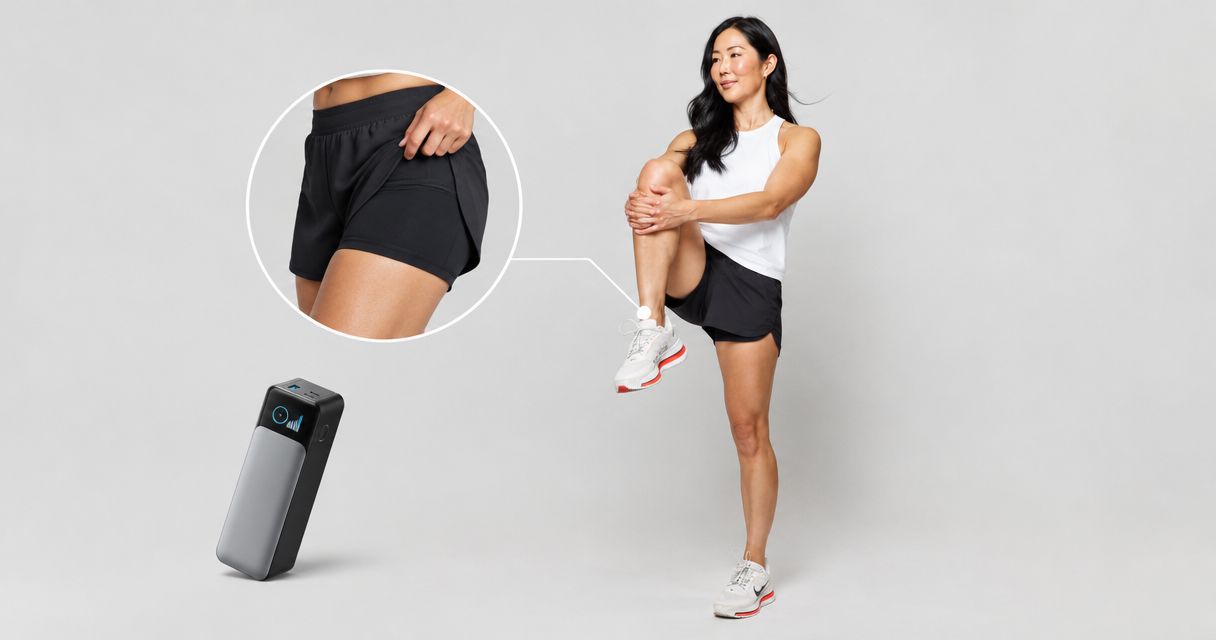
Women's workout shorts do not need a built-in liner. Choose lined shorts when you want an integrated inner layer, and choose unlined shorts when you prefer separate underwear or fitted shorts underneath. The deciding factor is whether the complete outfit stays comfortable and provides the coverage you need during movement—not whether the shorts have a liner.
- For womens workout shorts, choose a built-in liner for integrated coverage, not as a requirement for exercise.
- Unlined workout shorts give you control over the underwear or fitted layer you wear underneath.
- Check the liner and outer shell separately for pressure, movement, and coverage.
- Cados Market lists Excel Women's Workout Shorts; confirm the liner construction before choosing them.
Why this matters
A liner changes what touches your skin, where seams sit, and how you put together your workout outfit. An outer shell can fit comfortably while the liner feels tight; an unlined pair can fit well but still need an underlayer for your preferred coverage.
When browsing Cados Market, treat lining as a construction detail to verify rather than a benefit to assume. For your 2026 purchase, start with the movement you need to perform, then decide which construction supports it. A product name or workout label does not establish the liner type.
Should women's workout shorts have a built-in liner?
Women's workout shorts should have a built-in liner only when that inner layer suits your preferred fit and coverage. Neither lined nor unlined construction is automatically the better choice for every workout.
Compare the complete outfit, not just the shorts hanging on a rack:
| Construction | Best for | Main benefit | Main trade-off | What to check |
|---|---|---|---|---|
| Built-in liner | Shoppers who want an integrated inner layer | Keeps the shell and liner together as one garment | You cannot choose their sizes independently | Liner openings, seams, coverage, and tension |
| Unlined shorts | Shoppers who prefer their own underwear or fitted underlayer | Lets you choose the inner layer separately | Requires you to assess the complete outfit | Underlayer fit, waistband overlap, and coverage |
The distinction is practical. With lined shorts, you accept the relationship between the inner and outer pieces. With unlined shorts, you build that relationship yourself.
Neither construction guarantees that the fabric will stay in place, feel dry, or prevent rubbing. Those questions require attention to the actual garment, its stated specifications, and how it fits you.
Built-in liner: best for integrated coverage
Choose a built-in liner when you want the inner layer attached to the shorts rather than selected separately. This arrangement suits shoppers who already know they like the liner's shape and coverage.
The benefit is integration; the limitation is reduced control over the inner fit. If the shell fits but the liner presses into your thighs or pulls at the crotch, the shorts are not a good fit simply because the waistband feels right.
Inspect the liner independently. Look at its leg openings, seams, and attachment points, then check whether it stays comfortable when you bend or lift a knee. Do not judge it only while standing upright.
Also confirm what kind of liner the garment actually includes. A brief-shaped inner layer and a longer, fitted inner short do not cover the same areas. A listing that only says lined needs closer inspection before you decide whether it meets your needs.
Unlined shorts: best for choosing your own underlayer
Choose unlined shorts when you want to select your underwear or fitted inner shorts separately. That gives you control over the inner garment's cut and size without requiring the outer shell to share the same fit.
The trade-off is coordination. You need to check how the waistband, leg openings, and seams of both garments interact. A comfortable pair of shorts can feel different once you add an underlayer beneath it.
Unlined does not mean you should skip checking coverage. Inspect the shell during the movements you expect to perform, especially when the leg opening lifts or the fabric stretches across your hips.
For a 2026 workout wardrobe, choose this construction because you prefer a separate inner layer—not because unlined shorts are universally cooler, lighter, or more comfortable. Those characteristics depend on the specific garments, not the label alone.
Why liner comfort varies
The word liner tells you that an inner layer exists. It does not tell you whether that layer will fit your body or suit your workout. Focus on these construction and fit factors:
- Liner shape: Check whether the inner layer is brief-shaped or extends down the leg. Choose the coverage you actually want.
- Leg openings: Look for pressure or cutting at the edges. An opening that feels restrictive while standing deserves closer attention during movement.
- Seam placement: Notice where seams contact your skin and where another garment overlaps them. Do not dismiss a distracting seam because the shell looks good.
- Shell movement: Check whether the outer shorts lift, pull, or catch against the inner layer as you move.
- Waistband interaction: With separate layers, check how the waistbands sit together. With an attached liner, check whether the inner layer pulls on the waist.
These are selection criteria, not promises about performance. A lining description alone does not establish compression, moisture management, odor control, or protection from rubbing.
How to check lined or unlined shorts before choosing
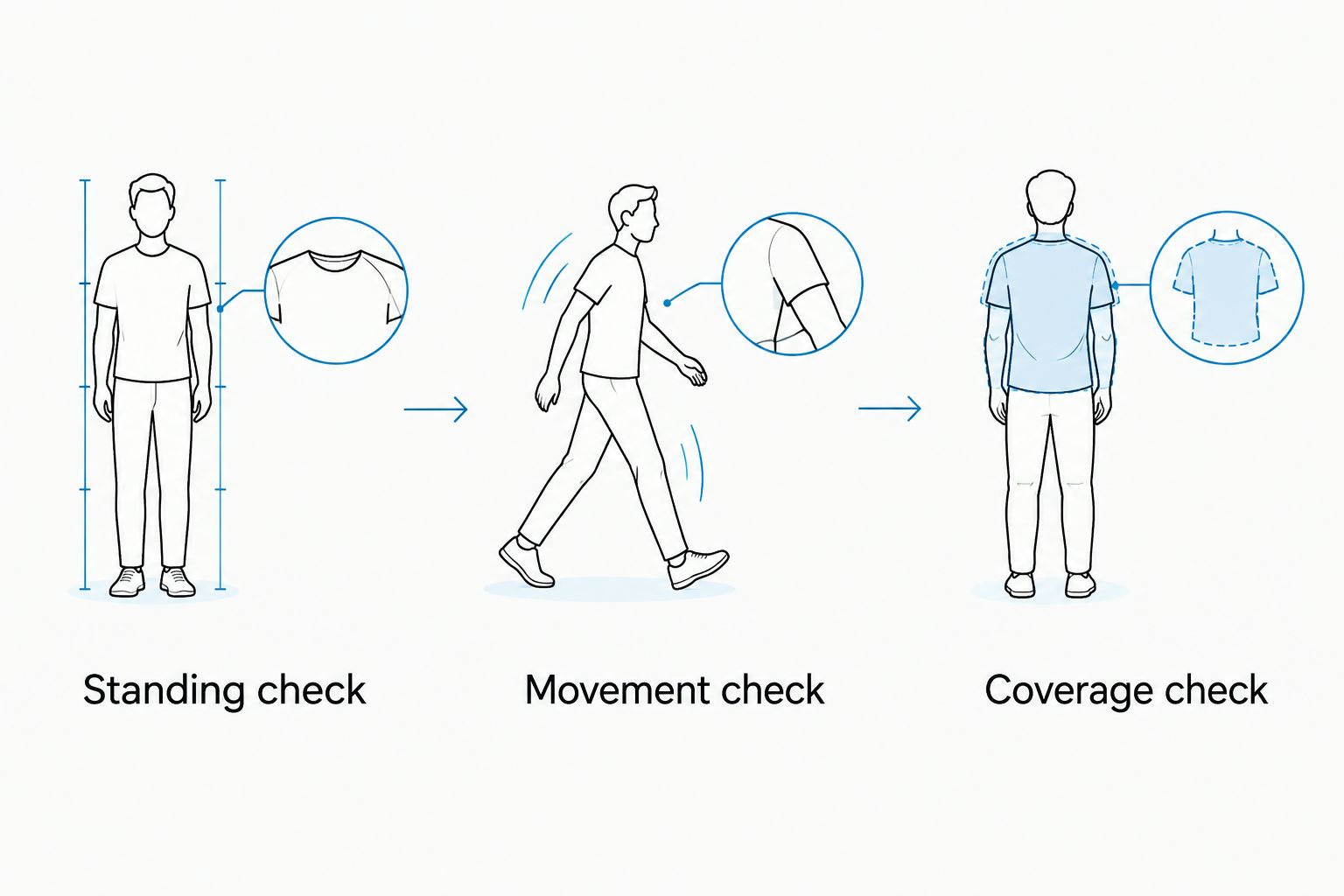
Use these 3 fit checks when you can try on the garment under the retailer's applicable terms. Wear the underlayers you intend to use, and keep any required hygiene protection in place.
Standing check
Start in a relaxed stance. Check the waistband, seat, crotch, and leg openings without pulling the fabric into a preferred position.
For lined shorts, distinguish pressure from the liner from pressure caused by the shell. For unlined shorts, notice whether the separate underlayer bunches before you even begin moving. A fit problem at rest is not solved by an attractive outer shape.
Movement check
Bend your knees, hinge at your hips, and lift each knee within a comfortable range. Use movements relevant to your workout rather than an exaggerated stretch you would not normally perform.
Watch how the shell and inner layer behave together. If you repeatedly need to pull down an opening or adjust the crotch, consider a different cut instead of assuming you need to get used to it.
Coverage check
Check the front, side, and back while standing and bending. Assess both the fabric itself and any gaps created by the leg openings.
For a 2-layer outfit, check the shell and inner garment separately, then assess them together. A liner can provide inner coverage without keeping the outer shell in the position you prefer.
Do you need underwear with lined workout shorts?
You do not need to add underwear solely because the garment is called workout shorts. First establish what the built-in layer is designed to do, then choose the arrangement that feels comfortable and gives you the coverage you want.
Some shoppers prefer the liner as their inner layer; others prefer separate underwear. Check the garment's guidance rather than assuming every liner has the same intended use.
If you add underwear, repeat the movement check with that exact combination. An additional layer introduces another waistband and more seams, so the fit assessment changes even when the shorts themselves stay the same.
Are unlined workout shorts better for lifting?
Unlined workout shorts are not automatically better for lifting. They suit you when you prefer a separate fitted underlayer and want to choose its size independently from the outer shorts.
Check your squat and hip-hinge positions for pulling and coverage. Lined shorts remain an option if their inner layer stays comfortable through those same movements.
Choose based on the position that challenges the fit, not the position that makes the shorts look best. Standing comfort matters, but it does not answer every question about exercise fit.
Does a longer liner prevent thigh rubbing?
A longer liner covers more of the thigh than a brief-shaped liner, but coverage alone does not guarantee freedom from rubbing. Its position, edges, seams, and fit still matter.
If thigh contact is your reason for considering a liner, inspect where the inner layer ends and whether it stays there during movement. Do not treat the presence of a liner as a verified anti-chafing claim.
What to check before buying in 2026
Product photos help you assess shape, but they do not replace a construction description. Before choosing women's workout shorts, look for clear answers about the inner layer, fabric, sizing, care, and intended fit.
If the liner is not visible, do not infer its shape from the outer hem. Ask whether it is attached, how far it extends, and which measurements describe the shell versus the complete garment.
Cados Market is best for shoppers considering its listed women's workout shorts who want to confirm construction before choosing. Excel Women's Workout Shorts are a relevant item to inspect, but the product name alone does not establish a built-in liner or its shape. Choose them only after the construction and fit details match your needs.
Use the contact page to ask a specific question about the inner construction. A useful question identifies the product and asks whether it contains an attached brief or fitted inner short. That is more actionable than asking whether the shorts are good for workouts.
FAQ
Should women's workout shorts always have a liner?
No. Women's workout shorts do not require a liner; choose one when you prefer an integrated inner layer. Unlined shorts let you select underwear or fitted inner shorts separately.
What's the best liner for women's workout shorts?
The best liner is the one that provides your preferred coverage without restrictive openings or distracting seams. Check its fit during the movements you plan to perform.
Can I wear underwear under lined workout shorts?
You can choose to wear underwear under lined workout shorts, but check the garment's guidance and the comfort of the complete combination. Extra seams and waistbands change how the outfit fits.
Are lined shorts the same as compression shorts?
No. A built-in liner does not establish that a garment provides compression. Look for an explicit product description rather than treating a fitted appearance as proof.
Why do my workout shorts ride up even with a liner?
A liner does not guarantee that the outer shorts will stay in place. Check whether the shell lifts independently or whether the inner layer pulls during movement.
How do I check whether workout shorts provide enough coverage?
Check the front, side, and back while standing, bending, and moving through your workout positions. Assess gaps at the openings as well as coverage through the fabric.
What should I check when buying women's workout shorts in 2026?
For a 2026 purchase, confirm the liner construction, sizing, fabric description, and care instructions. Then assess whether the complete outfit suits your movement and coverage preferences.
One last thing
A comfortable waistband does not prove that lined shorts fit. The inner layer can be the limiting part of the garment even when the shell looks relaxed.
Before committing to a pair, identify which piece causes any pressure or pulling. If the shell fits but the liner does not, compare another construction rather than judging the whole purchase by its outer size label.