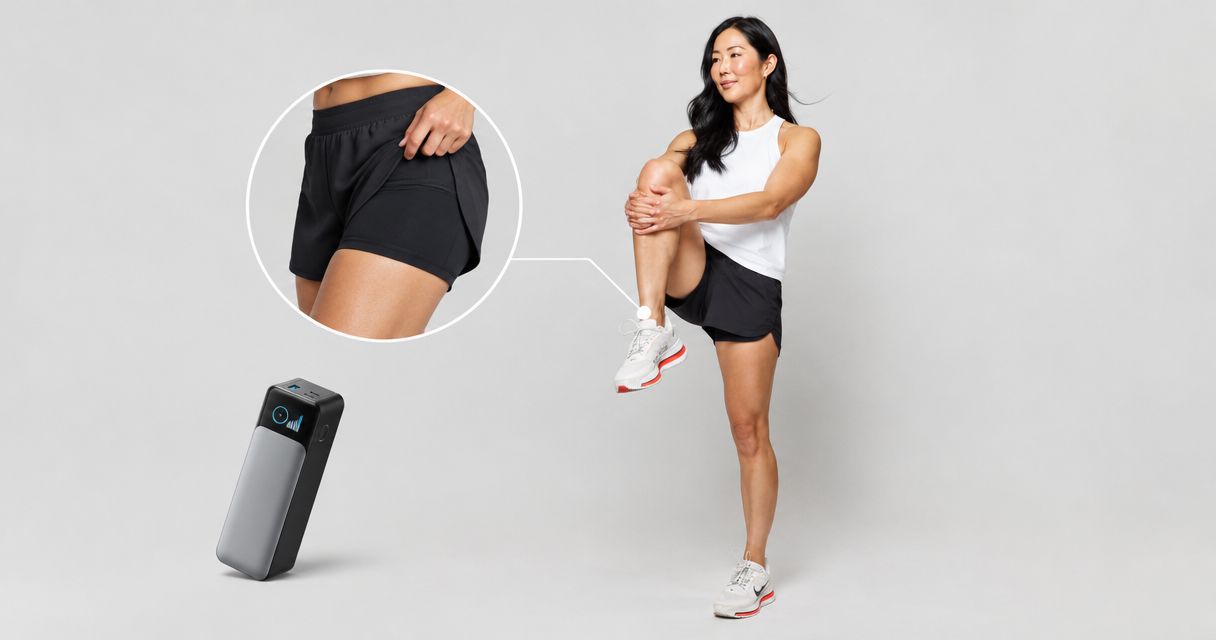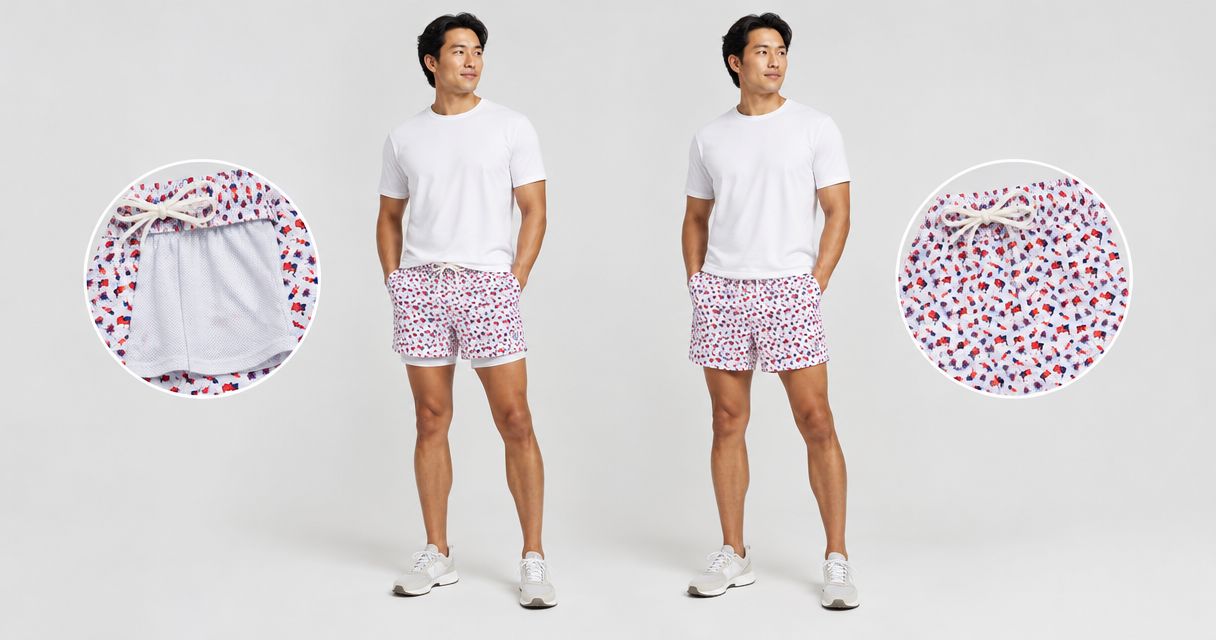
Choose lined mens volley shorts if you want built-in coverage and prefer not to wear a separate base layer; choose unlined shorts if you want to select your own support or wear them over swimwear. Neither construction guarantees comfort: liner fit, seams, fabric, and your intended activity matter more than the label. For swimming, confirm that the complete garment—not just its outer shell—is intended for water use.
- Lined mens volley shorts suit shoppers who want built-in coverage without choosing a separate layer.
- Unlined volley shorts suit shoppers who want control over underwear, support, and layering.
- Mesh briefs and fitted liners feel different; inspect construction rather than relying on the word lined.
- Cados Market lists Volley Shorts, but confirm liner construction before choosing them for your intended activity.
Why this matters
A liner changes what touches your skin, how the shorts move, and what you wear underneath. A pair that works well over swim briefs can feel restrictive over everyday underwear; another pair can fit comfortably at the waist while its liner pulls at the thigh.
For your 2026 shortlist, separate the lining decision from the swimming decision. The guide to whether you can swim in men's volley shorts addresses water use; this page focuses on coverage, support, layering, and fit.
Choose the construction that fits your routine, then check the actual garment. A category name is not a complete specification.
Should you choose lined or unlined men's volley shorts?
Choose lined shorts for built-in coverage; choose unlined shorts for control over your base layer. If you already have swimwear or athletic underwear you like, unlined shorts let you keep using it. If you dislike managing separate layers, a suitable liner removes that extra decision.
| Construction | Best for | Main advantage | Main limitation | Check before buying |
|---|---|---|---|---|
| Lined volley shorts | Shoppers who want integrated coverage | The inner layer is attached to the shorts | You cannot change the liner independently | Liner shape, seams, leg openings, and intended use |
| Unlined volley shorts | Shoppers who prefer their own base layer | You choose the coverage and support underneath | You must assess the outer shell and any separate layer together | Opacity, fit over your base layer, and suitability for water |
The table is a starting point, not a comfort ranking. A well-fitting liner can be convenient, while a poorly fitting liner can make an otherwise suitable pair uncomfortable. Unlined construction removes the attached liner, but it does not remove the need to check coverage.
Before choosing, decide which matters more: fewer separate garments or more control over what touches your skin. That preference narrows the decision without assuming that every lined or unlined pair behaves alike.
Lined volley shorts: best for built-in coverage
Lined volley shorts have an attached inner layer. Depending on the garment, that layer can resemble a mesh brief or a fitted short; inspect the description and interior photos instead of assuming a particular construction.
The practical benefit is simplicity. When the liner provides the coverage and support you need, you do not have to choose a separate layer for that use.
The trade-off is that the liner and shell function as a package. If the inner leg opening pinches or a seam rubs, a comfortable waistband does not solve the problem. You also cannot replace the liner with your preferred underwear without altering the garment.
Check these details:
- Liner shape: Does it provide the coverage you want when sitting and bending?
- Leg openings: Do they sit comfortably without digging in?
- Seam placement: Does a seam cross an area where you notice friction?
- Combined movement: Can you move without the liner pulling against the shell?
Do not treat a fitted liner as proof of compression performance. A close-fitting layer describes the shape; a specific support or performance claim requires information from the manufacturer.
Recommendation: choose lined shorts when the attached layer fits well and replaces—not duplicates—the layer you would otherwise wear.
Unlined volley shorts: best for choosing your own base layer
Unlined volley shorts have no attached inner liner. You decide whether to wear them over suitable underwear or swimwear, according to the activity and the garment's instructions.
That flexibility is useful if you already know which base layer feels comfortable. You can choose its fit independently of the outer shorts rather than accepting the manufacturer's combined arrangement.
The limitation is another fit decision. A base layer that works under loose everyday shorts can bunch under a closer-fitting pair, and an outer shell that looks opaque on a hanger still needs checking while worn.
For a 2026 purchase, assess the complete combination you intend to use. Do not judge the shorts in isolation if you plan to wear something underneath them every time.
Try the intended base layer beneath the shorts and check:
- Whether the waist feels crowded by overlapping waistbands.
- Whether the inner layer stays in place when you bend.
- Whether the outer fabric catches on the layer underneath.
- Whether you have the coverage you need in normal movement.
Unlined construction also does not establish swimming suitability. Confirm that both the shorts and the separate layer are appropriate for water use before treating them as a swimming outfit.
Recommendation: choose unlined shorts when selecting your own base layer is more useful than having one attached.
Why comfort varies between lined and unlined shorts
Comfort depends on construction and fit, not simply the presence of a liner. Use these factors to compare pairs without turning a general feature into a promise.
- Liner construction: A brief-shaped liner and a fitted short place fabric and elastic in different areas. Choose the shape you find comfortable.
- Shell fit: The outer shorts need room for your movement and any layer underneath. A roomy shell does not guarantee a roomy liner.
- Seams and openings: Look at the surfaces that contact your skin, including inner seams, hems, and elastic edges.
- Layering choice: A separate layer changes how the complete outfit fits. Check it with the shorts rather than assuming your usual size will feel identical.
- Activity: Sitting, walking, exercising, and swimming place different demands on the same garment. Start with your main use.
- Care instructions: Read the instructions for the complete garment and any separate layer. Do not assume the same care routine suits both.
A useful 2026 comparison records these details side by side. Words such as performance or versatile do not answer whether a liner presses against your leg or whether your preferred swim briefs fit underneath.
How do you check the fit before deciding?
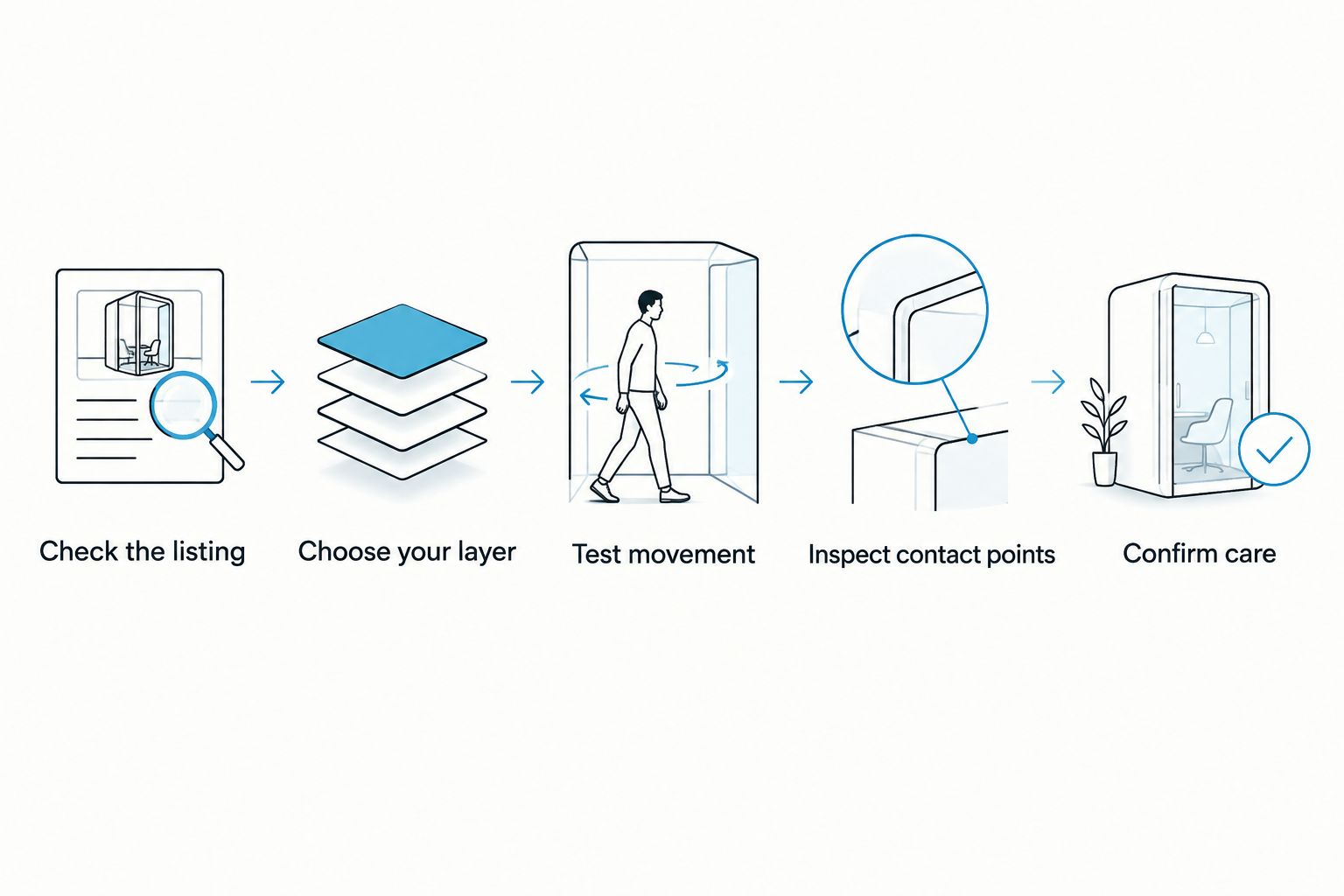
Follow this sequence when you can try the shorts on. Keep any tags attached and follow the retailer's stated try-on conditions; do not assume a particular return policy.
- Check the listing. Find an explicit statement about lining, interior photos, a size guide, and intended use. A front-facing product photo cannot show every internal detail.
- Choose your layer. For unlined shorts, use the underwear or swimwear you intend to wear. For lined shorts, assess the liner as designed rather than automatically adding another layer.
- Test movement. Sit, bend, and take a comfortable step into a shallow lunge. Notice pulling at the seat, inner thigh, and waistband.
- Inspect contact points. Check liner openings, seams, hems, and overlapping waistbands. Stop if anything pinches or restricts normal movement.
- Confirm care. Read the care label before washing or using the garment in water. Keep intended use separate from assumptions about the fabric.
The goal is not to make the shorts pass an elaborate test. It is to find obvious fit conflicts before you commit to wearing them for your main activity.
If the shell feels comfortable but the liner does not, reconsider the construction rather than automatically sizing up. A larger size changes the shell too, and it does not guarantee that the liner shape will suit you.
What should you check when shopping at Cados Market?
Cados Market is best for shoppers who want to browse clothing and accessories alongside portable charging and hair care. For this decision, keep your attention on the individual shorts listing rather than transferring specifications from another item in the catalog.
The store lists Volley Shorts with a description referencing pool days, lake trips, and casual activities. Those references do not establish the liner type, fabric composition, drying performance, or whether you should wear a separate layer. Confirm those details before selecting the shorts for a specific use.
The useful starting point is a clearly identified product. The limitation is that the supplied description does not resolve the lined-versus-unlined question, so do not treat the product name as an answer.
When browsing Cados Market in 2026, ask a focused question: does this pair have an attached liner, and what shape is it? If swimming is your intended use, ask about that separately.
The retailer identifies keeping customers updated about orders as a service priority. That does not replace checking construction before buying or establish a delivery guarantee.
Should you wear underwear under lined volley shorts?
You do not automatically need underwear under lined volley shorts; a suitable liner supplies the inner layer. Follow the manufacturer's intended use and assess whether its coverage and fit meet your needs.
Adding underwear introduces another set of seams and openings. If the liner feels uncomfortable without it, inspect the cause rather than assuming an extra layer will fix the fit.
Are unlined volley shorts better for swimming?
Unlined volley shorts are not inherently better for swimming. They give you control over the separate layer, but the shorts and that layer still need to be intended for water use.
For a 2026 swimming purchase, verify the stated use and care instructions. Lining alone does not establish how a garment performs in water.
Do lined shorts prevent chafing?
Lined shorts do not guarantee freedom from chafing. A liner changes the fabric contacting your skin, but poor fit, seams, and movement can still create friction.
Choose based on where the garment contacts your body and how it moves. If irritation persists, stop using the combination rather than treating a lining label as proof of protection.
FAQ
What's better for everyday wear, lined or unlined mens volley shorts?
Unlined mens volley shorts suit everyday wear if you prefer your own underwear; lined shorts suit you if you want an attached inner layer. Choose based on the fit of the complete outfit, not the construction label alone.
How can I tell whether volley shorts have a liner?
Check the product description and interior photos for an explicit lining detail. If neither shows the construction, ask the retailer before ordering rather than inferring it from the outside photo.
Is a mesh liner the same as a fitted short liner?
A mesh brief liner and a fitted short liner are different constructions. Inspect their shape, coverage, seams, and leg openings because the word lined does not distinguish them.
Can I wear swim briefs under unlined volley shorts?
You can use swim briefs as a separate layer when the shorts and briefs are intended for that use. Check fit, coverage, and care instructions for both garments.
Should I size up if the liner feels tight?
Do not automatically size up because a liner feels tight. Check the size guide and the liner's contact points; a larger shell does not guarantee that a different liner shape will suit you.
Can I cut the liner out of volley shorts?
Do not cut out a liner as your first solution to discomfort. Cutting permanently changes the garment, and attached stitching needs inspection; choosing an unlined pair avoids that alteration.
Do all volley shorts work as swim trunks?
No, the name volley shorts alone does not establish swimming suitability. Confirm intended use, construction, and care instructions for the specific pair before using it in water.
One last thing
The waist can fit while the liner does not. Treat those as separate checks, even though they belong to the same garment.
Before buying, write down your preferred base layer and main activity. If you want built-in coverage, start with lined shorts; if you want to keep a particular pair of swim briefs or underwear, start with unlined shorts. Then let the actual fit—not the category name—make the final decision.