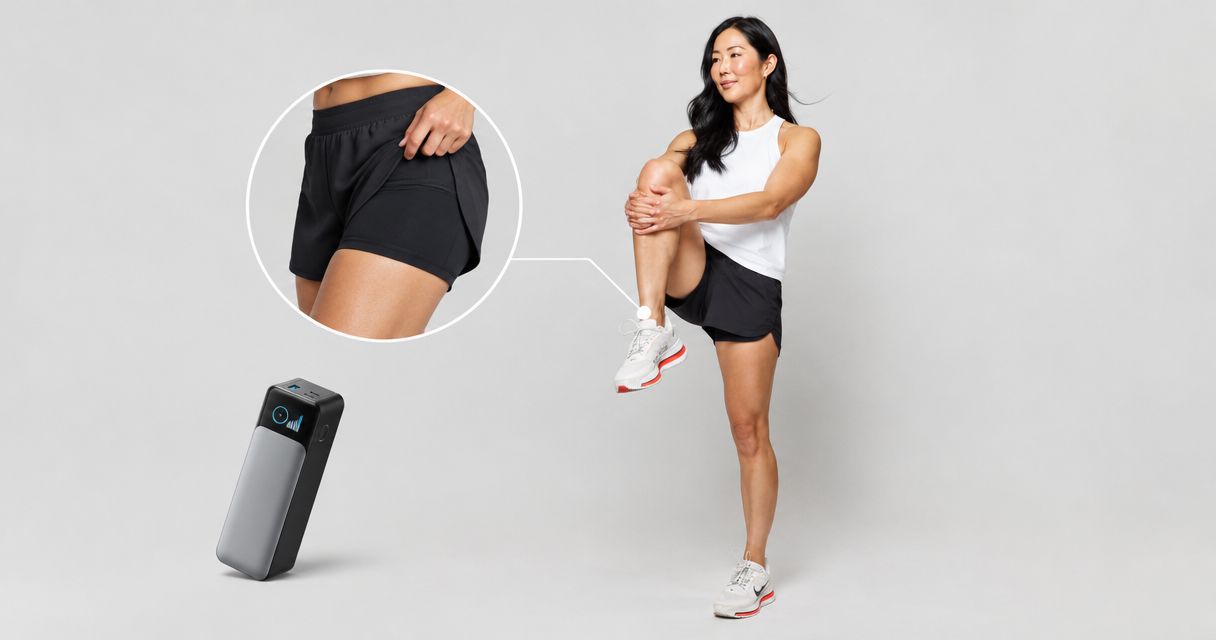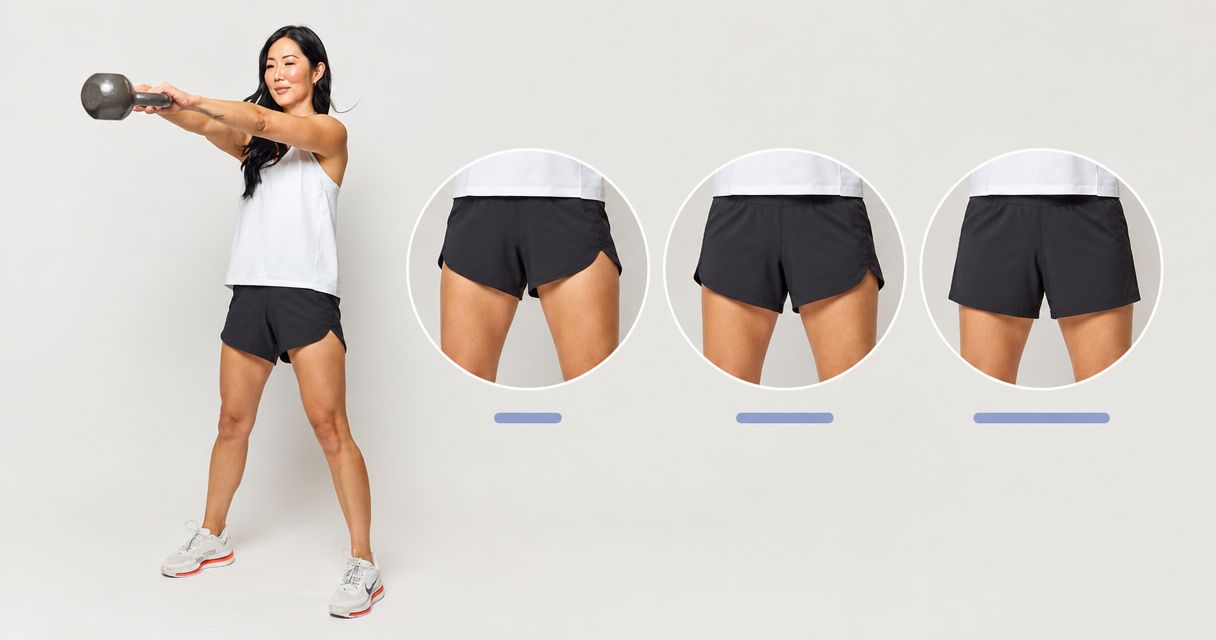
Choose the inseam for women's workout shorts by comparing the coverage you want with a pair that already fits, then checking that length during your usual exercises. A shorter inseam leaves more leg uncovered; a longer inseam extends coverage farther down your thigh, but neither guarantees that the shorts will stay in place. For your 2026 purchase, check the cut, liner, waistband, and fabric alongside the inseam.
- For womens workout shorts, choose inseam by your preferred coverage and movement, not height alone.
- Compare garment measurements with shorts you already wear comfortably before choosing a different length.
- Cadosmarket carries Excel Women's Workout Shorts; confirm the inseam and construction before choosing.
- A longer inseam adds coverage, but fit and fabric also determine whether shorts shift during exercise.
Why this matters
An inseam tells you where the inner leg ends. It does not tell you how high the waistband sits, how roomy the thigh opening feels, or whether the liner stays covered when you move. Those details explain why shorts with the same stated inseam can feel different.
When browsing Cadosmarket, start with your actual workout and a reference pair rather than choosing from a photograph alone. The best inseam is the one that gives you your preferred coverage without restricting the movements you repeat.
Use this 2026 guide as a measurement and fit checklist, not a universal sizing rule. Your reference pair provides a more useful starting point than somebody else's preferred length.
Which inseam should you choose for women's workout shorts?
Choose the length closest to a pair you already trust, then adjust it for a specific reason: more thigh coverage, less fabric around your legs, or a different workout. If your current shorts fit well everywhere except the hem, you have a useful baseline for comparing another inseam.
The lengths below are measurement examples, not verified specifications for a particular product or rules for every body.
| Example inseam | Best for | Main advantage | Main limitation |
|---|---|---|---|
| 3-inch inseam | Shoppers who prefer a higher hem and less thigh coverage | Leaves more of the leg uncovered | Provides less coverage when the leg opening moves |
| 5-inch inseam | Shoppers whose reference pair has a comfortable mid-thigh position | Provides an intermediate length between these examples | Does not automatically prevent shifting or thigh contact |
| 7-inch inseam | Shoppers who want the hem farther down the thigh | Extends coverage compared with shorter examples | Requires checking that the opening and fabric allow comfortable movement |
A 5-inch inseam is 2 inches longer than a 3-inch inseam when measured along the inner seam. That difference does not guarantee the hem will sit exactly 2 inches lower on your body: rise, crotch position, and how the garment sits also affect placement.
Compare the same type of measurement. An outer-short inseam, an inner-liner inseam, and an overall side length describe different things. A product photo cannot reliably resolve that distinction.
A 3-inch inseam: best for less thigh coverage
A 3-inch inseam is a shorter option within this comparison. Consider it if your comfortable reference shorts already have a high hem and you prefer less fabric along your thighs.
The trade-off is coverage. A loose opening can move away from your leg during a seated exercise, floor movement, or deep bend. Check the position you actually use rather than judging coverage while standing still.
A shorter outer shell also does not establish whether the garment has a liner. If you rely on a liner for coverage, confirm its presence and construction separately. Do not assume that a product described as workout shorts includes one.
A 5-inch inseam: best for an intermediate length
A 5-inch inseam sits between the shorter and longer examples in this guide. Consider it when you want more length than a 3-inch pair without choosing the longest example.
Its advantage is that intermediate position, not a promise of universal fit. On your body, the hem position still depends on the garment's rise and where the crotch seam sits.
Check whether the hem lands at a comfortable point during repeated movement. If the opening catches against your thigh or the shorts pull upward, changing the inseam alone might not address the fit issue. Compare thigh room and construction as well.
A 7-inch inseam: best for more thigh coverage
A 7-inch inseam extends farther down the inner leg than the other examples. Consider it when your main goal is additional thigh coverage and you like the position of a longer hem.
The limitation is that length cannot compensate for a restrictive opening. A close-fitting pair needs enough room and suitable fabric movement for the exercises you perform; a loose pair needs checking for bunching and shifting.
Longer coverage is not a guarantee against chafing. Seams, garment movement, moisture, and the position of the fabric also matter. Choose extra length for coverage, then assess comfort separately.
Why your ideal inseam varies
Your preferred inseam depends on more than the number on the product page. These factors help explain why a length works in one pair but disappoints in another:
- Coverage preference: Decide how much thigh you want covered while standing, sitting, bending, and reaching.
- Workout movement: Check the positions you repeat, including lunges, squats, strides, or seated exercises.
- Garment rise: Waistband placement and crotch position affect where the hem reaches on your body.
- Leg opening: A loose opening and a close-fitting opening behave differently even at the same inseam.
- Liner construction: If a liner exists, its length and fit need a separate check from the outer shell.
- Fabric and seams: Stretch, seam position, and how the fabric sits affect comfort independently of length.
In 2026, use the product's stated measurements and construction details to make the comparison. A familiar category name such as running shorts or workout shorts is not a substitute for those details.
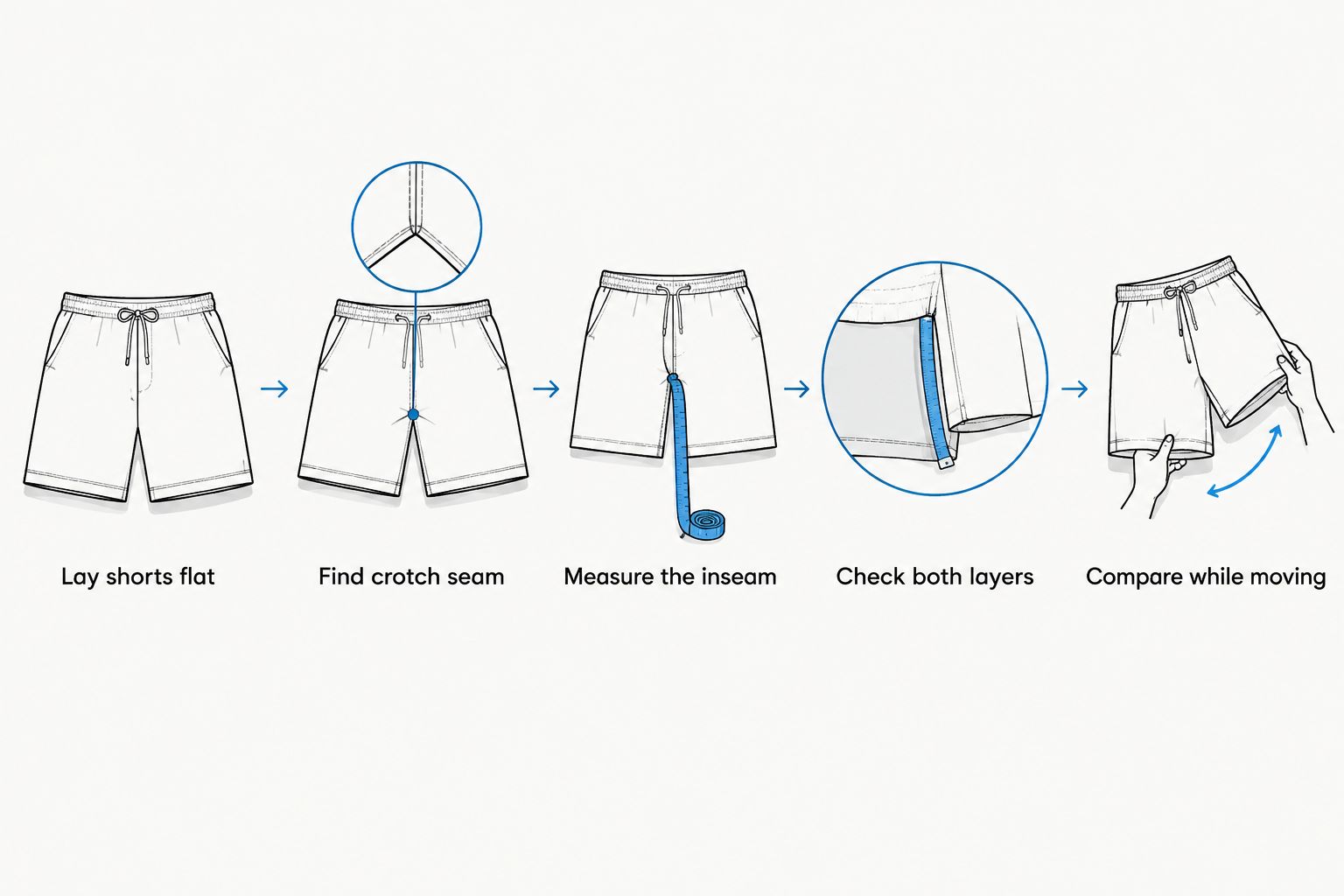
How do you measure shorts before choosing an inseam?
Measure a reference pair that works for the workout you have in mind. Avoid starting with shorts that you constantly adjust: their measurements describe a problem, not your preferred fit.
- Lay shorts flat. Place the garment on a flat surface without pulling the fabric longer or wider.
- Find the crotch seam. Identify where the inner leg seam meets the crotch seam.
- Measure the inseam. Follow the inner leg seam from that junction to the finished hem.
- Check both layers. If the shorts have an outer shell and an inner liner, measure each separately.
- Compare while moving. Put the reference pair on and note what you want to keep or change during exercise.
Record whether the measurement describes the shell or liner. Also note whether you measured along the seam rather than taking a straight line through the air between its endpoints.
Once you have the measurement, write down the actual issue you want to solve. For example, wanting a lower hem is different from wanting a waistband that stays put. That distinction keeps you from buying a longer pair to solve an unrelated fit problem.
How should you check the fit for your workout?
For running and repeated strides
Walk and move through your usual stride. Notice whether the inner seams rub, whether the openings catch, and whether you repeatedly pull the shorts down.
Less fabric is useful only if you like the resulting coverage. More fabric is useful only if it stays comfortable through the movement. Neither choice wins by inseam alone.
For squats, lunges, and strength training
Check a controlled squat and a lunge at a depth you normally use. Look for pulling through the crotch, pressure at the thigh opening, and waistband movement.
Do not blame every restriction on the hem length. A longer inseam will not fix inadequate room through the seat or a waistband that does not fit comfortably.
For seated exercise and floor work
Sit, bend, and move into the floor positions your session includes. Check coverage from the side as well as the front, particularly with a loose outer opening.
If you prefer a liner, assess that layer independently. An outer shell can move while a liner remains underneath, but you must confirm that the specific garment has the construction you want.
What should you verify before ordering online?
For your 2026 shortlist, check the exact product rather than transferring specifications from another pair by the same brand. Similar names and photos do not establish identical measurements.
Ask these questions before you choose:
- Is the inseam stated for the size you intend to order?
- Does the measurement describe the outer shell or an inner liner?
- Is a liner included, or is the garment unlined?
- What does the size chart measure: your body or the garment?
- Are fabric composition and care instructions provided?
- Does the stated construction match the fit you want?
Cadosmarket carries Excel Women's Workout Shorts. Best for: shoppers considering that specific workout-short option who will verify its measurements before choosing. The product description identifies its workout use, but an inseam decision still requires checking the garment's length and fit details.
Use the contact page for a specific measurement question rather than guessing from the image. Ask for the inseam of your intended size and clarify which layer is being measured.
Cadosmarket identifies keeping customers updated about orders as a service strength. That is separate from garment fit; use confirmed product information to decide whether the shorts meet your needs.
Are longer workout shorts better for preventing chafing?
Longer workout shorts provide more coverage, but inseam alone does not establish whether they will prevent rubbing. Check where seams sit and whether the fabric stays between the areas that contact during movement.
If you already own a comfortable pair, compare its construction as well as its length. Copying only the inseam leaves out other useful fit information.
Should you choose an inseam based on your height?
Height alone is not enough to choose an inseam. Your proportions, preferred waistband position, and desired hem placement matter too.
Use a measured reference pair to connect the listed inseam with a fit you understand. Someone else's height and preferred length cannot give you that same comparison.
Should the liner be longer than the outer shorts?
A longer liner suits shoppers who want that layer to extend below the shell, but it is not a universal requirement. Choose according to your preferred coverage and how each layer feels during your workout.
Confirm both measurements before ordering. A listing that gives only an outer inseam does not establish where a liner ends.
FAQ
What's the best inseam for women's workout shorts?
The best inseam is the length that gives you your preferred coverage during your actual workout. Start with a comfortable reference pair, measure its inner seam, and compare the new garment's cut and construction.
Are 3-inch workout shorts too short?
A 3-inch inseam is too short if it does not provide the coverage you want during movement. Check seated positions, bends, and your usual exercises rather than judging the shorts only while standing.
Are 5-inch workout shorts a good middle option?
A 5-inch inseam is an intermediate option between the 3-inch and 7-inch examples in this guide. Its suitability still depends on rise, leg opening, fabric, and your preferred hem position.
Are 7-inch workout shorts better for thigh coverage?
A 7-inch inseam provides more inner-leg length than the shorter examples in this guide. Check that the thigh opening remains comfortable and that the fabric does not bunch during movement.
Why do my workout shorts ride up even with a longer inseam?
A longer inseam does not control every cause of garment movement. Check the waistband, thigh room, crotch fit, and fabric rather than assuming another length will solve the problem.
How do I measure the inseam on workout shorts?
Measure along the inner leg seam from the crotch-seam junction to the finished hem, with the garment flat and unstretched. Measure the shell and liner separately if both are present.
Can I tell the inseam from a product photo?
A product photo does not reliably establish the inseam. Use a stated garment measurement or ask for the measurement of your intended size before choosing.
One last thing
Before placing your 2026 order, separate a length problem from a fit problem. Wanting the hem lower is a length preference; pulling at the crotch, digging at the waistband, or catching at the thigh opening calls for a wider fit check.
Measure first, identify the problem, and then choose. That sequence gives you a clear reason for selecting a different inseam instead of simply hoping that more or less fabric will help.