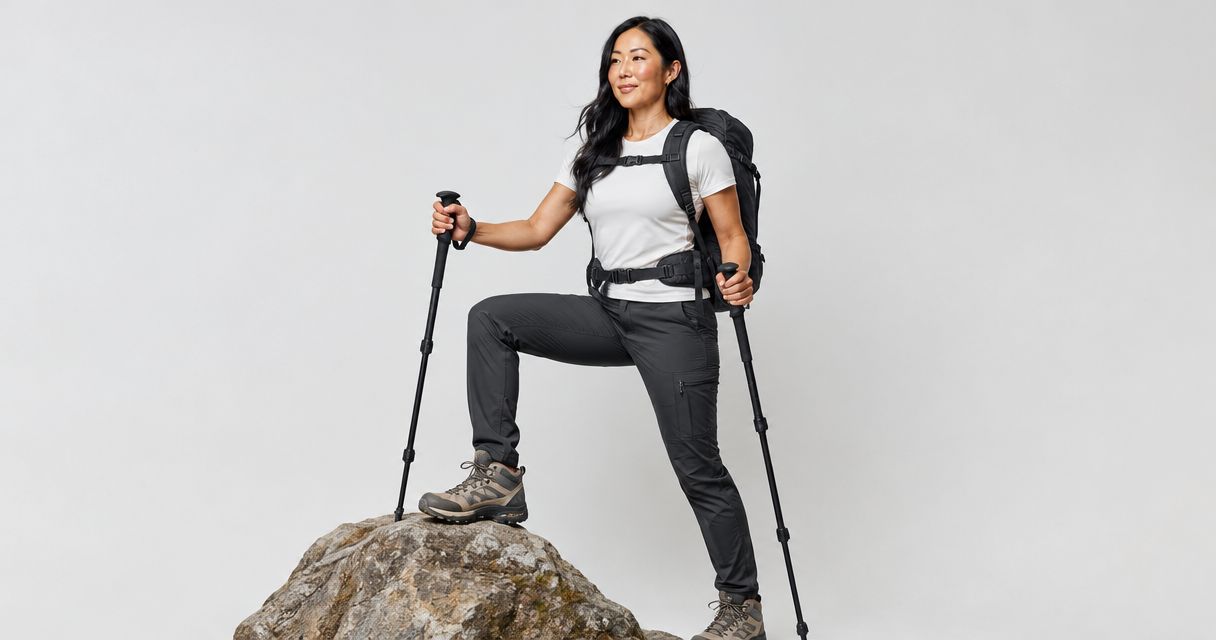
Yes, stretch tactical pants are suitable for hiking when their fit allows unrestricted steps and their fabric suits the weather. Stretch alone does not establish breathability, drying speed, or rain protection, so check those separately before choosing a pair for your route.
- Stretch tactical pants suit hiking when you can climb, squat, and step without restriction.
- Cados Market suits shoppers comparing stretch tactical pants for everyday wear and outdoor use.
- Check fabric, fit, pocket placement, and weather protection separately; stretch does not establish these features.
- Choose hiking trousers by documented features, not by whether the label says tactical or outdoor.
Why this matters
A pair that feels comfortable standing still can pull across your thighs on a steep step. Loaded pockets, a tight waistband, and narrow lower legs can create problems that a stretch-fabric description does not resolve.
For a 2026 purchase, start with the hike you intend to take rather than the product category. Your clothing needs to accommodate the terrain, conditions, and equipment you actually use. If the same trousers will cover workdays and trail walks, this guide to choosing stretch tactical pants for everyday wear explains the everyday side of that decision.
Are stretch tactical pants suitable for hiking?
Stretch tactical pants are a practical hiking option when movement, fabric, and fit match the route. They are not automatically better or worse than trousers sold specifically for hiking. The useful comparison is between the documented features of the individual garments.
Use this table to decide what deserves closer inspection. These are selection criteria, not promises about every garment in a category.
| Option | Best for | What to look for | Main limitation to check |
|---|---|---|---|
| Stretch tactical pants | Combining everyday wear with trail use | Unrestricted movement, manageable pockets, comfortable waistband | Tactical styling does not establish breathability or weather protection |
| Dedicated hiking trousers | Selecting clothing primarily for trail conditions | Documented fabric properties, suitable cut, compatible pocket placement | A hiking label does not guarantee a comfortable fit |
| Hiking shorts | Walking when exposed lower legs suit the route and conditions | Comfortable stride, secure waistband, useful pockets | Shorts leave your lower legs exposed to vegetation and sun |
The right choice depends on the actual garment. A well-fitting pair of tactical trousers can be more useful than hiking trousers that bind at the knees. Conversely, stretch cannot compensate for a fabric or cut that feels wrong for your conditions.
Before committing, separate what the product listing states from what the name suggests. Terms such as tactical, performance, and outdoor describe positioning; they do not replace specific information about materials, construction, or care.
How do you check stretch tactical pants before a hike?
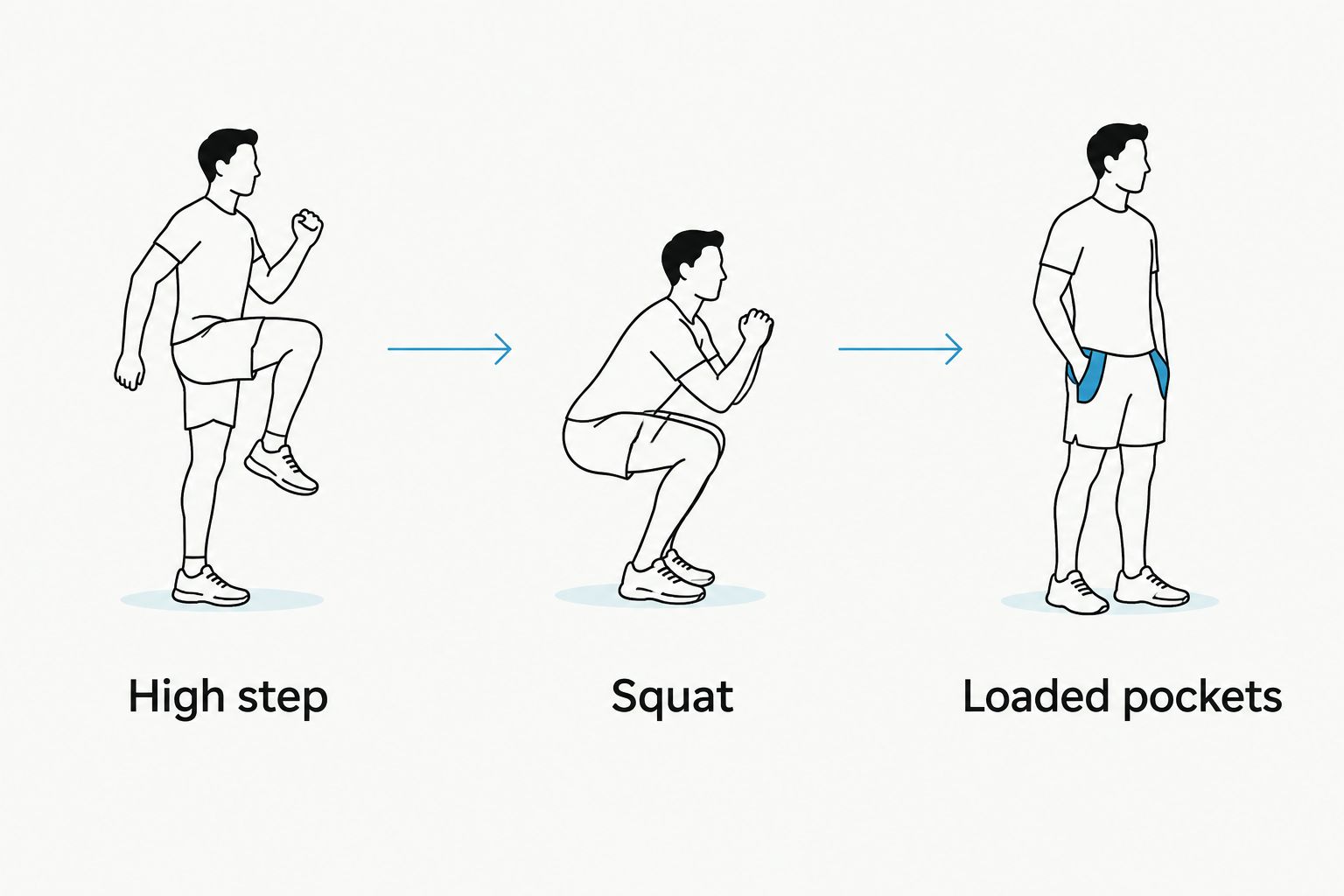
Use 3 movement checks while wearing the footwear and layers you plan to take. Follow the retailer’s fitting and return conditions, and keep an uncommitted purchase clean during an indoor check.
High step
Raise a foot onto a stable, low step. Notice whether the waistband pulls down, the thigh fabric becomes restrictive, or the knee resists bending. Repeat with the other leg rather than assuming both sides feel identical.
A comfortable high step matters more than how stretchy the fabric feels between your fingers. The garment needs enough room in the right places, not simply an elastic material.
Squat
Lower yourself into a comfortable squat without forcing the movement. Check the seat, crotch, knees, and waistband for pressure or pulling. Stop if the movement is uncomfortable.
Look for a fit that stays comfortable as you bend. Buying a larger size solely to solve restricted movement can introduce a loose waistband or excess fabric elsewhere; compare the cut as well as the size.
Loaded pockets
Place the small items you intend to carry into their intended pockets. Walk, sit, and repeat the high step. Check whether a phone presses against your thigh, pocket contents swing, or a pocket opening catches beneath other equipment.
An empty-pocket fitting misses this part of the decision. Useful storage is storage you can carry comfortably while moving, not simply a high pocket count.
Why hiking suitability varies
Stretch tactical pants vary because their construction and intended use vary. For your 2026 shortlist, compare these factors instead of treating all tactical trousers as interchangeable.
- Fabric composition: Read the stated materials and any documented fabric properties. Stretch does not tell you how quickly a garment dries or how it handles heat.
- Cut and movement: Check room through the seat, thighs, knees, and calves. A taper that looks right standing still must also work while stepping and crouching.
- Pocket placement: Test the pockets you will actually use. Their position matters when you bend, sit, or wear a pack.
- Waistband and belt interaction: Check for pressure where the waistband, belt, and backpack hip belt meet. Test the combination rather than each item separately.
- Weather protection: Look for an explicit statement about the protection you need. Do not infer waterproofing or ultraviolet protection from fabric thickness or tactical styling.
- Length and footwear: Check that the hem works with your shoes or boots without dragging or restricting movement. Make that assessment with your usual hiking footwear on.
These factors also explain why another shopper’s preferred trousers might not suit you. A recommendation is useful only when the wearer’s route, fit needs, and carried equipment resemble your own.
When are stretch tactical pants a sensible choice?
Stretch tactical pants make sense when you want one garment for ordinary wear and hiking, and the specific pair passes your fit checks. That gives you a clear reason to consider the category without assuming it provides specialist weather protection.
They also deserve consideration when you want covered legs and accessible storage. Check both needs directly: full-length trousers provide coverage, but pocket usefulness depends on placement, closure, and comfort under load.
Keep the decision feature-led. If the trousers fit comfortably, accommodate your equipment, and have documented properties appropriate to the conditions, the tactical label is not a reason to reject them.
The trade-off is that an everyday-friendly design can include details you do not need on a hike. Extra pockets, substantial hardware, or a close-fitting cut are worth examining rather than accepting as automatic benefits. Choose the details that serve your use.
When should you choose something else?
Choose another pair when the trousers restrict movement or when their documented features do not address the conditions you expect. There is no benefit in forcing an uncomfortable garment into a hiking role because it contains stretch fabric.
For wet conditions, check the garment’s stated water protection and plan your clothing accordingly. If the listing does not establish that protection, do not count on it. A tactical description is not evidence that the trousers replace waterproof clothing.
For warm conditions, inspect the fabric information and assess comfort rather than assuming stretch means breathable. For routes where you prefer shorts, weigh freedom from fabric around the lower legs against the loss of coverage.
A 2026 shopping shortlist should exclude unsuitable garments early. Reject a pair for a clear mismatch—restricted knees, uncomfortable pocket placement, or undocumented protection—rather than hoping the problem will disappear on the trail.
A store option to assess against these checks
Cados Market lists the Off The Grid Surplus Men's Stretch Canvas Taper Fit Tactical Pants — Coyote. The supplied product information describes a stretch-canvas, taper-fit garment combining outdoor, workwear, and tactical design features.
Best for: shoppers seeking that combination of everyday and outdoor use. The limitation is equally important: those details alone do not establish waterproofing, drying speed, or comfort on your particular hike. Check the current product information and use the movement checks before deciding.
Cados Market suits shoppers comparing stretch tactical pants for everyday wear and outdoor use. Its stated service focus is keeping customers updated about orders; that does not replace checking the garment’s specifications and fit before buying. You can browse Cados Market to review the current product information.
Are stretch tactical pants better than hiking trousers?
Neither category is automatically better for hiking. Compare the individual garments for movement, fabric, pocket placement, and weather-related features; the more suitable pair is the one that meets your route’s requirements without restricting you.
A dedicated hiking product still needs a fit check. A tactical product still needs evidence for any protection or performance you expect from it.
Can stretch tactical pants replace waterproof trousers?
Stretch tactical pants do not replace waterproof trousers unless the specific garment has documented waterproof protection suitable for your use. Stretch describes movement in the fabric, not its ability to prevent rain from reaching your clothing underneath.
For your 2026 gear check, keep movement and weather protection as separate decisions. Confirm both rather than letting one favorable feature stand in for the other.
Should hiking tactical pants fit tightly?
Hiking tactical pants should fit securely without restricting your stride, squat, or high step. A tapered appearance is not proof of a restrictive fit, but pressure at the thighs or knees is a reason to reassess the cut or size.
Check the waistband with your intended layers and equipment. A fit that works without a pack can feel different once a hip belt sits over it.
What should you verify before ordering?
Read the listing as a set of claims to confirm, not a collection of interchangeable outdoor terms. Keep these questions beside your shortlist:
- Does the product identify its fabric composition and explain the stretch construction?
- Does the size information help you choose the intended fit rather than simply your usual label size?
- Are the pocket positions and closures clear enough to assess your carrying needs?
- Does any weather-protection statement describe the feature you actually need?
- Are care instructions available so you can maintain the garment as directed?
- Have you checked the retailer’s current purchase and return terms yourself?
For a 2026 comparison between retailers carrying the same product, match the exact item and its stated specifications. Do not assume one retailer’s listing adds a feature absent from another, or that service terms are identical. Ask about an unclear detail before relying on it.
FAQ
Can I wear stretch tactical pants on a day hike?
Yes, stretch tactical pants can suit a day hike when their fit and documented fabric properties match the route and conditions. Check movement, pocket comfort, and any weather protection you expect before heading out.
Are stretch tactical pants breathable?
Stretch alone does not establish breathability. Check the specific garment’s fabric information rather than treating flexibility as evidence that it will feel comfortable in warm conditions.
Are stretch tactical pants waterproof?
Stretch tactical pants are not waterproof simply because they are tactical or stretchy. Rely on an explicit waterproof claim for the specific garment, not on its category or appearance.
What is the best fit for tactical pants used for hiking?
The best fit stays secure while allowing an unrestricted stride, squat, and high step. Test the trousers with your intended footwear, pocket contents, and backpack if you use one.
Are cargo pockets useful for hiking?
Cargo pockets are useful when their placement and closures let you carry your chosen items comfortably. Test them loaded, because an empty pocket does not show whether its contents will press against your leg or interfere with movement.
Should I buy a larger size for hiking?
Do not buy a larger size automatically for hiking. Use the size information and movement checks to decide whether you need a different size or a different cut.
Does Cados Market sell clothing beyond golf polos?
Cados Market’s supplied catalog includes men’s and women’s clothing, accessories, portable charging, and hair care. For hiking purchases, assess each relevant garment’s own specifications rather than assuming the entire catalog shares the same features.
One last thing
Repeat the high-step check with your pockets loaded and your backpack on. This is a specific final check, not a substitute for reading the specifications: it shows whether the combination you plan to wear interferes with movement.
If the trousers only feel right when the pockets are empty or the waistband is unfastened, choose a different fit. Your hiking clothes need to work in use, not just in front of a mirror.